
Tucker Hoarding Cleanup Services
Choose our hoarding cleanup team for respectful, judgment-free service that restores safety and comfort to your home—because you deserve a fresh start with trusted professionals who care.
Get a Free QuoteOur Tucker Junk Removal Services
Hoarding Cleanup in Tucker, GA – Local Service Guide
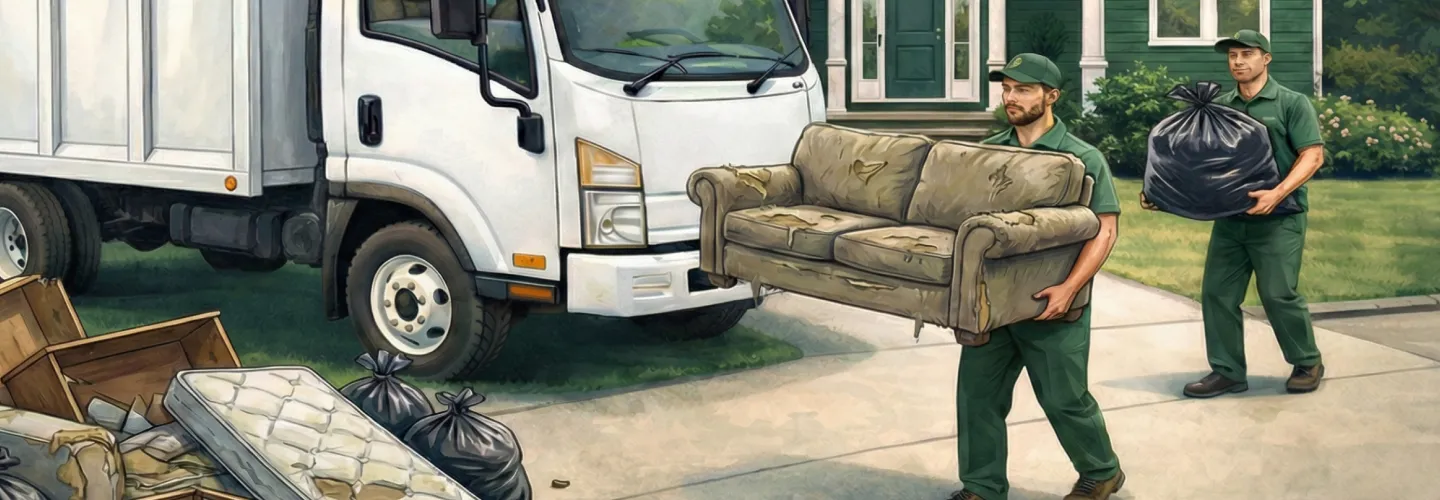
Hoarding cleanup in Tucker, GA requires a sensitive, strategic approach tailored to local needs. Whether you’re in Smoke Rise, Livsey, or near Main Street, residents often seek help after major life events, seasonal changes, or property transitions. For residential items like furniture, mattresses, or appliances, triggers include spring cleanouts, estate transitions, or replacing old units. Local options include donation, recycling, or city-approved disposal, but access and weather—especially during rainy springs—can affect logistics. For residential spaces such as garages, basements, or yards, cleanouts often follow storms or during fall leaf cycles, with frequency depending on property size and tree coverage. Tucker’s commercial sectors—offices, restaurants, and retail near Northlake or Lawrenceville Highway—face unique needs, often requiring discreet, after-hours service and handling larger volumes. Specialty cleanups, including hoarding, estate, or foreclosure scenarios, demand careful planning, coordination with property managers, and adherence to local codes. For guidance on local disposal rules and resources, visit the Tucker Public Works Department.
Key Considerations for Hoarding Cleanup in Tucker
- Timing cleanouts around weather and local events
- Securing necessary permits for large-scale removals
- Using approved disposal and recycling channels
- Ensuring property access for trucks and crews
- Managing high volumes and category-specific items
- Coordinating with city services and property managers
Benefits of Hoarding Cleanup in Tucker
Compassionate and Discreet Service
Certified Cleanup Professionals
Fast and Reliable Response
Thorough Sanitization and Odor Removal
Customized Cleanup Plans
Safe Disposal of Hazardous Materials
Coordinating Hoarding Cleanup with Tucker Code Enforcement and DeKalb County Health Services
Hoarding situations in Tucker often come to the attention of municipal authorities through neighbor complaints or routine property inspections. Tucker Code Enforcement investigates violations related to property maintenance standards, exterior accumulation, and structural access obstructions. When health hazards such as mold, vermin, or biohazardous materials are identified, DeKalb County environmental health services may become involved to assess conditions and issue abatement orders.
Key steps for regulatory coordination include:
- Code violation notice review — property owners typically receive a written notice specifying violations and a compliance deadline, often 30 days for initial remediation
- Health hazard assessment — DeKalb County may conduct inspections for pest infestations, sewage backups, or biological contamination
- Abatement plan submission — severe cases may require a written cleanup plan submitted to code enforcement before work begins
- Re-inspection scheduling — upon cleanup completion, request a follow-up inspection to confirm code compliance and close the violation case
Residents facing code enforcement action should contact the department early to discuss timelines and documentation requirements.
Tucker Code Enforcement
4119 Adrian Street, Tucker, GA 30084
Phone: (678) 597-9040
Official Website: Tucker Code Enforcement
Biohazard and Hazardous Material Disposal Requirements for Tucker Hoarding Cases
Hoarding environments frequently contain hazardous materials requiring specialized handling under both Georgia and federal regulations. Common hazards include expired medications, cleaning chemicals, paint products, animal waste, and biological contaminants such as blood or decomposing organic matter. The Georgia Environmental Protection Division oversees solid waste management regulations statewide, including requirements for hazardous waste segregation and proper disposal pathways.
Materials requiring special handling during hoarding cleanup include:
- Biohazardous waste — animal remains, human waste, and contaminated materials must be handled by trained personnel using appropriate personal protective equipment per OSHA Bloodborne Pathogens Standard (29 CFR 1910.1030)
- Household hazardous waste — paints, solvents, pesticides, and automotive fluids are prohibited from regular trash collection and must be taken to DeKalb County household hazardous waste collection events
- Expired pharmaceuticals — medications should not be placed in regular waste streams; DEA-authorized collection sites and pharmacy takeback programs accept unused medications
- Lead paint debris — properties built before 1978 may contain lead-based paint, requiring compliance with the EPA Renovation, Repair, and Painting Rule
Improper disposal of hazardous materials may result in fines under Georgia's Solid Waste Management Act (O.C.G.A. § 12-8-20).
Tucker Building Division Permits and Fire Safety Compliance for Hoarding Remediation
Extensive hoarding cleanup projects in Tucker may require building permits, particularly when structural damage, blocked egress routes, or electrical hazards are discovered during the remediation process. The Tucker Building Division reviews permit applications for any renovation or repair work triggered by hoarding conditions, including wall repairs, plumbing restoration, and electrical system rehabilitation.
Fire safety considerations are critical in hoarding situations:
- Blocked egress — all exit doors and windows must be cleared to meet International Fire Code requirements; the Tucker Fire Marshal may issue orders for immediate egress restoration
- Electrical hazards — overloaded circuits, buried wiring, and damaged outlets require licensed electrician inspection before re-energizing systems
- Structural load concerns — excessive weight from accumulated materials can compromise floor joists and load-bearing walls, potentially requiring engineering assessment
- Smoke detector restoration — all smoke and carbon monoxide detectors must be tested or replaced following cleanup to meet Georgia building code requirements
Property owners should contact the Building Division before beginning major remediation to determine whether permits are required for the scope of work.
Tucker Building Division
4119 Adrian Street, Tucker, GA 30084
Phone: (678) 597-9040
Official Website: Tucker Building Division
Recycling, Donation, and Landfill Diversion Strategies During Tucker Hoarding Cleanouts
Hoarding cleanup projects generate substantial volumes of material, much of which can be diverted from landfills through recycling and donation programs. DeKalb County provides residential recycling services for Tucker residents, accepting paper, cardboard, plastics, glass, and metals through curbside collection. Salvageable items recovered during hoarding remediation should be sorted and directed to appropriate channels to reduce environmental impact.
Diversion strategies for common hoarding materials include:
- Clothing and textiles — donate usable items to local charitable organizations; damaged textiles may be accepted by textile recycling programs
- Electronics and e-waste — computers, televisions, and small electronics should be taken to DeKalb County e-waste recycling events or certified electronics recyclers, as these items contain hazardous components
- Appliances with refrigerants — refrigerators, freezers, and air conditioners require certified refrigerant recovery per EPA Section 608 regulations before disposal or recycling
- Scrap metal — metal furniture frames, shelving, and appliance components can be directed to scrap metal recyclers
- Books and paper goods — large volumes of paper materials are common in hoarding situations and should be bundled for recycling collection
Tucker Public Works Department
4119 Adrian Street, Tucker, GA 30084
Phone: (678) 597-9040
Official Website: Tucker Public Works Department
Worker Safety and Professional Standards for Hoarding Cleanup Operations in Tucker
Hoarding cleanup presents significant occupational hazards that require adherence to OSHA safety standards and professional best practices. Workers entering hoarding environments may encounter unstable stacking, sharp objects, biological hazards, airborne particulates, and structural compromises. Georgia law requires that commercial cleanup operators maintain appropriate business licensing and workers' compensation insurance coverage.
Essential safety protocols for hoarding remediation include:
- Personal protective equipment — N95 respirators, puncture-resistant gloves, eye protection, and steel-toed boots are minimum requirements for entry into hoarding environments
- Air quality assessment — mold spore counts and ammonia levels should be evaluated before extended work begins; respiratory protection upgrades may be necessary based on findings
- Structural stability evaluation — floors, stairs, and balconies must be assessed for load-bearing capacity before placing additional weight from equipment or personnel
- Sharps and needle protocols — hoarding sites may contain hypodermic needles, broken glass, or razor blades requiring puncture-proof containers and careful manual sorting
- Asbestos awareness — older Tucker homes built before 1980 may contain asbestos in insulation, flooring, or ceiling materials; disturbance of suspected asbestos requires licensed abatement per EPA Region 4 guidelines
Professional hoarding cleanup crews should carry general liability insurance and maintain current OSHA training certifications for hazardous material handling.
What Neighborhoods Do We Serve Throughout Tucker, GA?
- Downtown Tucker — the historic commercial core features a mix of older storefronts and residential properties along Main Street. Narrow lot configurations and mature tree canopy may limit equipment access during large-scale hoarding remediation projects.
- Smoke Rise — this established residential community features mid-century ranch homes and split-levels on wooded lots. Properties with long driveways and steep grades may require additional logistics planning for material removal from hoarding situations.
- Northlake Area — a commercial and multi-family corridor near Northlake Mall with apartment complexes and condominiums. Building management coordination, elevator access, and tenant notification are typically required for hoarding cleanup in multi-unit properties.
- Midway Woods — a single-family neighborhood with modest ranch-style homes built primarily in the 1960s and 1970s. Pre-1978 construction increases the likelihood of lead paint and asbestos-containing materials requiring specialized handling during cleanup.
- Tucker Heights — residential streets with a mix of original and renovated homes. Cul-de-sac layouts and on-street parking may affect truck positioning and material staging during extended hoarding remediation projects.
- Brockett Area — located near Brockett Road, this neighborhood includes both residential and light commercial properties. Proximity to major roadways provides favorable access for removal vehicles, though coordination with Tucker Planning & Zoning may be necessary for properties in transitional zoning districts.