
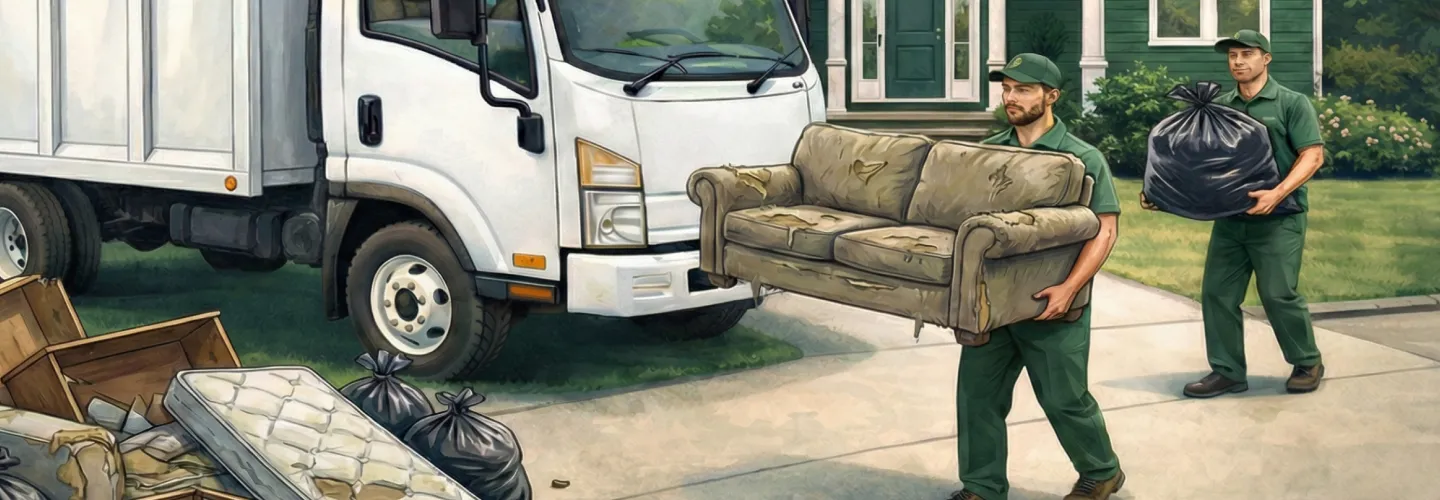
Tucker Storage Unit Cleanout Services
Choose our Storage Unit Cleanout for fast, hassle-free service that saves you time, eliminates stress, and ensures your belongings are handled with care—so you can enjoy a clutter-free life without lifting a finger.
Get a Free QuoteOur Tucker Junk Removal Services
Storage Unit Cleanout in Tucker, GA – Local Service Guide
Storage unit cleanouts in Tucker, GA, require local know-how to ensure efficient, responsible removal of unwanted items. Whether you’re clearing out after a move, downsizing, or managing an estate, timing is key—spring and fall are popular for residential cleanouts, especially in neighborhoods like Smoke Rise and Livsey. For residential items such as furniture, mattresses, or appliances, many residents opt to donate or recycle when possible, with local weather and unit access influencing scheduling. Commercial clients in areas like Northlake or the Hugh Howell corridor often need discreet, after-hours service for offices or retail spaces, with larger volumes and strict timelines. Specialty cleanouts—such as for foreclosures or construction debris—require careful planning and coordination, especially when dealing with estate transitions or hoarding situations. Always check local guidelines for disposal and recycling options; the Tucker Public Works Department is a valuable resource for up-to-date rules and schedules.
Key Considerations for Storage Unit Cleanout in Tucker
- Seasonal timing (spring/fall, post-storm, move-outs)
- Access and parking at storage facilities (especially in busy areas)
- Proper disposal or recycling channels for electronics and appliances
- Volume and category of items (residential, commercial, specialty)
- Coordination with local schedules and permit requirements
- Weather impacts on scheduling and logistics
Benefits of Storage Unit Cleanout in Tucker
Fast and Efficient Cleanouts
Affordable Pricing Options
Eco-Friendly Disposal Solutions
Experienced Cleanout Professionals
Flexible Scheduling
Stress-Free Service Experience
Coordinating Storage Unit Cleanout Disposal with Tucker's Public Works and DeKalb County Services
Storage unit cleanouts in Tucker, GA, frequently generate mixed waste streams that require coordination with multiple municipal and county departments. Tucker operates as an incorporated city within DeKalb County, meaning solid waste collection and disposal services are administered through DeKalb County's sanitation division rather than a standalone city program. Residents and commercial tenants clearing storage units must understand which materials qualify for standard curbside collection and which require separate handling at designated facilities.
- Curbside bulk pickup must be scheduled through DeKalb County Sanitation; items should be placed at the curb no earlier than 24 hours before the scheduled collection date
- Household furniture, boxes, and general debris from storage units are typically accepted through bulk collection, but volume limits apply
- Electronics, paint, batteries, and chemicals discovered during cleanouts are prohibited from curbside disposal and must be taken to appropriate drop-off facilities
- Commercial storage facility operators generating waste from tenant unit cleanouts may need to contract with a licensed commercial hauler rather than using residential services
Tucker Public Works Department
1975 Lakeside Parkway, Suite 350, Tucker, GA 30084
Phone: (678) 597-9040
Official Website: Tucker Public Works Department
Residents should confirm current bulk pickup schedules and item limits directly with DeKalb County Sanitation before placing storage unit contents at the curb, as oversized loads left without authorization may result in code enforcement action.
Georgia Solid Waste Management Act Compliance for Storage Unit Material Disposal
All waste generated from storage unit cleanouts in Tucker must comply with the Georgia Comprehensive Solid Waste Management Act (O.C.G.A. § 12-8-20 et seq.), which establishes statewide standards for solid waste handling, transportation, and disposal. The Georgia Environmental Protection Division (GA EPD) oversees enforcement and permitting for landfills, transfer stations, and recycling facilities throughout the state. Storage unit cleanouts often uncover materials subject to specific disposal restrictions under Georgia law.
- Hazardous waste such as paint, solvents, pesticides, and automotive fluids cannot be disposed of in municipal solid waste landfills and must be taken to a household hazardous waste collection event or permitted facility
- Tires are subject to Georgia's scrap tire management regulations and cannot be placed in standard waste containers; designated tire recyclers must be used
- Lead-acid batteries are banned from landfill disposal statewide and must be returned to retailers or recycling facilities
- Appliances containing refrigerants (refrigerators, air conditioners, dehumidifiers) require certified refrigerant recovery under EPA Section 608 regulations before disposal or recycling
- Medical waste or biohazardous materials discovered in abandoned storage units must be handled by licensed medical waste transporters
Failure to properly separate and dispose of regulated materials can result in fines under both state and local ordinances. Tucker's Code Enforcement division investigates complaints related to improper waste disposal and illegal dumping.
Sorting and Separating Recyclable Materials During Tucker Storage Unit Cleanouts
Effective material sorting during a storage unit cleanout is essential for maximizing landfill diversion and complying with DeKalb County recycling guidelines. Storage units frequently contain a mix of salvageable items, recyclable materials, and true waste that must be separated before transport to disposal or recycling facilities. Tucker residents have access to DeKalb County's recycling drop-off centers for standard recyclables, and several regional facilities accept specialty items.
- Scrap metal including shelving units, filing cabinets, bed frames, and appliance housings can be taken to local scrap metal recyclers for material recovery
- Cardboard and paper should be broken down flat and kept dry for recycling; contaminated or wet cardboard must go to landfill
- Electronics such as old computers, televisions, printers, and monitors should be directed to certified e-waste recyclers rather than placed in standard waste streams
- Furniture in usable condition may be donated to organizations such as Habitat for Humanity ReStore or local charitable thrift operations, reducing landfill burden
- Textiles and clothing can be donated or placed in textile recycling bins available at various locations throughout DeKalb County
Georgia Environmental Protection Division
2 Martin Luther King Jr. Drive SE, Suite 1456, Atlanta, GA 30334
Phone: (404) 656-4713
Official Website: Georgia Environmental Protection Division
Sorting materials on-site at the storage facility before loading removal vehicles reduces disposal costs and ensures regulated items are routed to appropriate facilities.
Safety Protocols and Hazardous Material Handling for Tucker Storage Unit Cleanouts
Storage unit cleanouts present unique safety challenges because the contents are often unknown, poorly organized, and may have been stored for extended periods. Units that have been abandoned or neglected may contain pest infestations, mold growth, or deteriorated containers leaking hazardous substances. Workers performing cleanouts in Tucker should follow established safety protocols to protect themselves and comply with applicable regulations.
- Personal protective equipment (PPE) including heavy-duty gloves, closed-toe boots, dust masks or N95 respirators, and eye protection should be worn during all cleanout activities
- Unstable stacking of heavy items such as furniture, appliances, and packed boxes creates crush and fall hazards; items should be removed systematically from front to back
- Mold and mildew are common in climate-uncontrolled units; visible mold on furniture, mattresses, or textiles typically renders those items unsuitable for donation and requires disposal
- Unknown liquids or chemicals should not be opened or mixed; containers should be kept upright and transported to DeKalb County's household hazardous waste collection events
- Pest evidence including rodent droppings, nesting materials, or insect infestations may require professional pest treatment before or during cleanout
Tucker Fire Marshal
1975 Lakeside Parkway, Suite 350, Tucker, GA 30084
Phone: (678) 597-9040
Official Website: Tucker Fire Marshal
If flammable materials, compressed gas cylinders, or propane tanks are discovered during a storage unit cleanout, contact the Tucker Fire Marshal's office for guidance on safe removal and disposal procedures. Buildings constructed before 1978 may also contain lead paint on stored furniture or fixtures, requiring awareness of the EPA Renovation, Repair, and Painting Rule when handling such items.
Tucker Code Enforcement and Property Maintenance Standards for Storage Facility Cleanouts
Storage facility operators and tenants in Tucker must adhere to municipal code enforcement standards when conducting unit cleanouts, particularly regarding debris staging, waste container placement, and property cleanliness. Tucker's Code Enforcement division enforces property maintenance standards that apply to both residential and commercial properties, including self-storage facilities where cleanout debris may accumulate in common areas, driveways, or parking lots.
- Debris staging on storage facility property should be temporary and contained; materials should not block fire lanes, accessible parking spaces, or pedestrian pathways
- Waste containers used during cleanouts must not overflow or create litter; facility operators are responsible for ensuring adequate waste receptacle capacity during high-volume cleanout periods
- Illegal dumping of storage unit contents on public rights-of-way, vacant lots, or neighboring properties is a code violation subject to fines and cleanup orders
- Noise restrictions in Tucker may limit the hours during which heavy loading, equipment operation, and truck traffic associated with cleanouts can occur in areas adjacent to residential zones
- Commercial haulers removing waste from storage facilities should verify they hold appropriate business licenses and insurance as required by Tucker's Community Development Department
Tucker Code Enforcement
1975 Lakeside Parkway, Suite 350, Tucker, GA 30084
Phone: (678) 597-9040
Official Website: Tucker Code Enforcement
Storage facility managers should coordinate with code enforcement proactively when planning large-scale or multi-unit cleanout projects to ensure compliance with all applicable property maintenance and zoning requirements.
What Neighborhoods Do We Serve Throughout Tucker, GA?
- Downtown Tucker: The historic commercial core along Main Street features mixed-use properties and older buildings with limited rear access. Storage facilities in this area may have narrow loading zones requiring advance coordination for truck staging and debris removal during business hours.
- Northlake Area: This commercial corridor near Northlake Mall includes several self-storage facilities serving both residential and business tenants. High-traffic roadways and shared parking areas require careful scheduling to avoid peak congestion during cleanout operations.
- Smoke Rise: A predominantly single-family residential community with mature tree canopy and winding roads. Residents using nearby storage facilities for estate or downsizing purposes should plan for longer transport routes and potential overhead clearance limitations on wooded streets.
- Tucker Heights: This established residential neighborhood features mid-century homes and moderate lot sizes. Storage unit cleanouts serving this area often involve furniture, household goods, and seasonal items typical of long-term residential storage.
- Midway Woods: A residential area with a mix of single-family homes and townhome communities. Access to storage facilities from this neighborhood is generally straightforward, though townhome community gates and HOA rules may affect staging and loading logistics.
- Brockett Area: Located near the Brockett Road corridor, this neighborhood includes both residential properties and light commercial zones. Storage facilities in this area serve a diverse tenant base, and cleanout projects may involve a wide range of materials from household goods to small business inventory.