
Tucker Construction Debris Removal Services
Choose our construction debris removal for fast, reliable service that keeps your site safe, compliant, and ready for the next phase—saving you time and hassle.
Get a Free QuoteOur Tucker Junk Removal Services
Construction Debris Removal in Tucker, GA – Local Service Guide
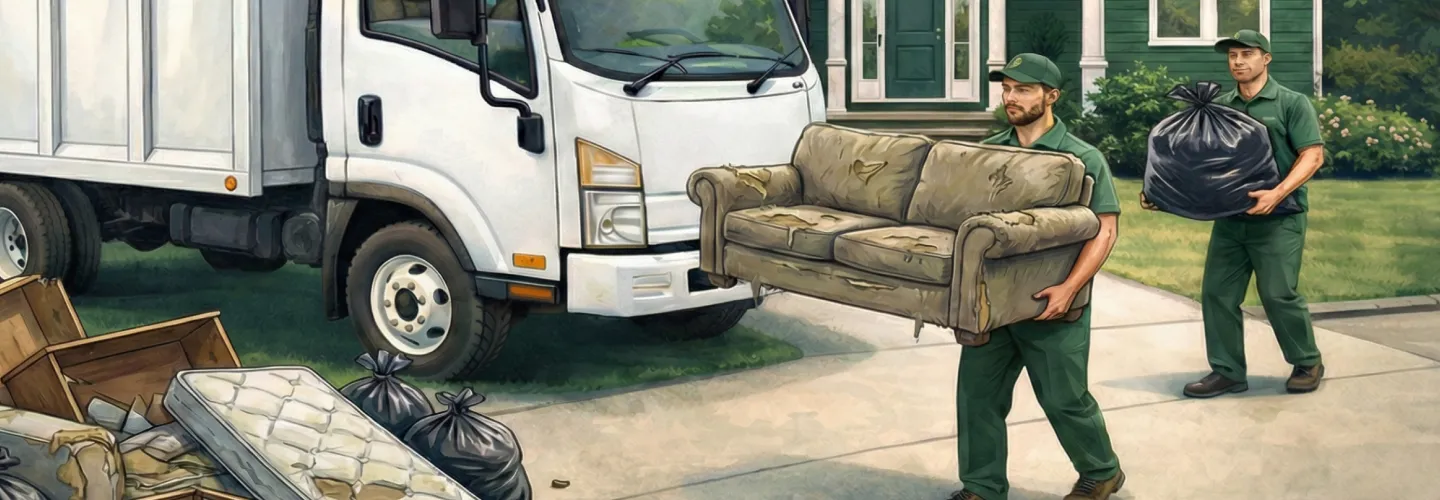
Construction debris removal in Tucker, GA is essential for keeping homes, businesses, and neighborhoods clean and safe. In residential areas like Smoke Rise and Livsey, debris often accumulates during spring renovations, appliance upgrades, or after major storms. Homeowners may need to clear out old furniture, mattresses, or scrap metal when updating interiors or replacing large items. Local disposal options include donation, recycling, or scheduled pickups, but access and weather—especially during rainy seasons—can impact logistics. For residential spaces such as garages, basements, or yards, seasonal cleanouts are common, particularly after heavy rains or during fall leaf cycles. Areas prone to flooding, like neighborhoods near Henderson Park, may require more frequent debris removal.
Commercial properties in Tucker’s Northlake business district or along Lawrenceville Highway face unique challenges. Offices, restaurants, and construction sites generate large volumes of debris and often require discreet, timely removal to minimize business disruption. Specialty services—such as dumpster rentals for construction projects or coordinated cleanouts for estate and foreclosure properties—demand careful planning and compliance with local regulations. For more on local rules and resources, visit the Tucker Public Works Department.
Key Considerations for Construction Debris Removal in Tucker
- Timing projects around local weather and seasonal events
- Securing necessary permits for large-scale removals
- Choosing proper disposal or recycling channels
- Ensuring easy access for removal vehicles in tight neighborhoods
- Estimating debris volume for appropriate service selection
- Coordinating with city schedules and category-specific requirements
Benefits of Construction Debris Removal in Tucker
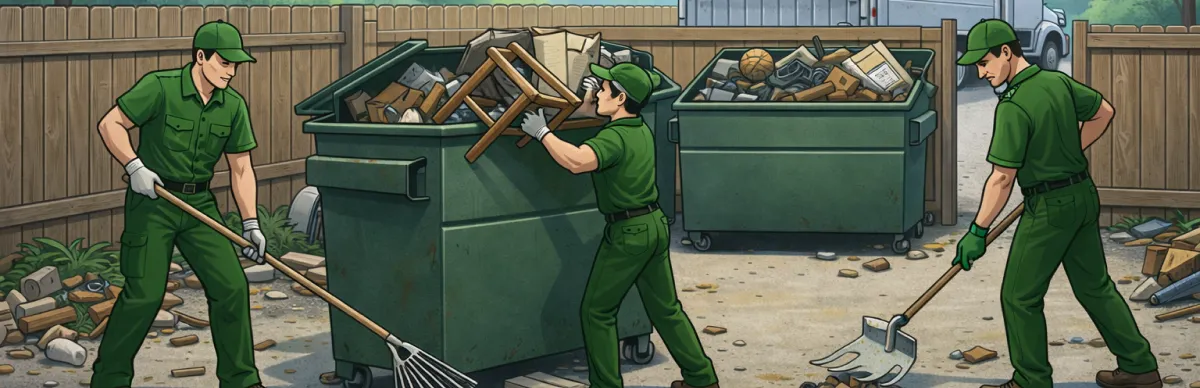
Fast and Reliable Cleanup
Safe Job Site Practices
Eco-Friendly Disposal Solutions
Cost-Effective Debris Removal
Experienced Local Professionals
Flexible Scheduling Options
Coordinating Construction Debris Removal with Tucker's Building Division and Permit Requirements
Construction and demolition projects in Tucker generate significant volumes of debris requiring proper permitting and disposal coordination. Before initiating any renovation or demolition work, property owners must secure appropriate permits through the city's building services division. Tucker enforces building codes that govern how construction waste is managed on-site and transported for disposal.
Key permitting and coordination requirements include:
- Building permits are required for structural demolition, major renovations, and additions that generate construction debris
- Land disturbance permits may apply when site grading or excavation produces soil and fill material exceeding regulated thresholds
- Code enforcement monitors active construction sites for improper debris storage, unauthorized dumping, and violations of property maintenance standards
- Project timelines must account for permit processing, inspections, and debris removal scheduling before final project sign-off
Property owners and contractors should contact the Tucker Building Division early in the planning process to confirm which permits apply to their specific project scope and debris volume.
Tucker Building Division
1975 Lakeside Parkway, Suite 350, Tucker, GA 30084
Phone: (678) 597-9040
Official Website: Tucker Building Division
Georgia's Solid Waste Management Act and Construction Debris Disposal Compliance
Georgia regulates construction and demolition (C&D) waste under the Georgia Comprehensive Solid Waste Management Act (O.C.G.A. § 12-8-20), which establishes standards for the handling, transport, and disposal of all solid waste categories, including construction debris. The Georgia Environmental Protection Division (GA EPD) oversees permitting for landfills and transfer stations that accept C&D materials and enforces compliance statewide.
Important state-level requirements for construction debris include:
- Inert waste landfills are specifically permitted for materials such as concrete, brick, block, and uncontaminated soil, which must be separated from mixed C&D waste
- Asbestos-containing materials must be handled by licensed abatement contractors and disposed of at facilities permitted to accept regulated asbestos waste
- Lead-based paint debris from pre-1978 structures requires compliance with the EPA Renovation, Repair, and Painting Rule and proper characterization before disposal
- Illegal dumping of construction debris carries penalties including fines and potential criminal prosecution under Georgia law
- Hauler requirements mandate that commercial waste transporters maintain proper licensing and deliver loads only to permitted disposal facilities
Contractors and property owners in Tucker must verify that all C&D waste is transported to GA EPD-permitted facilities.
Material Sorting and Separation Requirements for Tucker Construction Projects
Proper sorting of construction debris at the job site is essential for regulatory compliance and environmental stewardship. DeKalb County and the broader metro Atlanta region encourage diversion of recyclable construction materials from landfills. Separating materials on-site reduces disposal costs and supports regional waste reduction goals.
Construction debris typically requires separation into the following categories:
- Concrete, brick, and masonry — eligible for crushing and reuse as aggregate; accepted at inert waste facilities
- Scrap metal (rebar, copper pipe, steel framing, aluminum) — recyclable through scrap metal processors; should be separated from mixed debris
- Clean wood and lumber — untreated wood may be accepted for mulching or biomass processing; treated or painted wood requires standard C&D disposal
- Roofing materials (asphalt shingles) — some regional facilities accept shingles for recycling into road paving material
- Drywall and gypsum board — may be recycled at specialized facilities; contaminated drywall must be disposed of as standard C&D waste
- Mixed C&D debris — remaining unsorted materials must go to permitted C&D landfills or transfer stations
Tucker's Code Enforcement division may inspect active construction sites to ensure debris is not accumulating in violation of property maintenance standards.
Stormwater Protection and Environmental Safeguards During Debris Removal in Tucker
Construction debris removal activities must comply with stormwater management regulations to prevent sediment, pollutants, and construction materials from entering Tucker's storm drainage system. The Tucker Public Works Department oversees stormwater infrastructure, and DeKalb County Watershed Management enforces water quality standards throughout the service area.
Environmental compliance measures during construction debris removal include:
- Erosion and sediment control — silt fencing, inlet protection, and stabilized construction entrances must remain in place during active debris hauling
- Debris containment — loose materials, dust, and lightweight waste must be secured to prevent wind-blown dispersion into streets, storm drains, or neighboring properties
- Hazardous material screening — paint cans, solvents, adhesives, and chemical containers found in demolition debris must be separated and disposed of through appropriate hazardous waste channels
- Vehicle tracking prevention — trucks leaving construction sites must not deposit mud, gravel, or debris on public roadways
- Spill prevention — fuel, hydraulic fluid, and equipment lubricants used during debris removal operations must be managed with spill containment measures
The Tucker Engineering Department reviews land disturbance permits and may require erosion control plans for projects disturbing significant land area.
Tucker Engineering Department
1975 Lakeside Parkway, Suite 350, Tucker, GA 30084
Phone: (678) 597-9040
Official Website: Tucker Engineering Department
OSHA Safety Standards and Hazardous Material Handling for Construction Debris in Tucker
Construction debris removal presents significant safety hazards requiring compliance with federal Occupational Safety and Health Administration (OSHA) standards. Workers handling demolition materials face risks from heavy loads, sharp objects, airborne particulates, and potential exposure to hazardous substances common in older Tucker structures.
Critical safety and hazardous material requirements include:
- Asbestos surveys — buildings constructed before 1980 should be inspected for asbestos-containing materials (floor tiles, insulation, pipe wrap, siding) before demolition or renovation begins
- Lead paint assessment — structures built before 1978 may contain lead-based paint; EPA RRP Rule certification is required for contractors disturbing painted surfaces in residential properties
- Personal protective equipment (PPE) — hard hats, steel-toed boots, cut-resistant gloves, eye protection, and respiratory protection are required based on site-specific hazard assessments
- Heavy lifting protocols — mechanical equipment should be used for loads exceeding 50 pounds; manual lifting requires proper body mechanics training
- Silica dust exposure — cutting, grinding, or demolishing concrete and masonry generates respirable crystalline silica regulated under OSHA's permissible exposure limits
The Tucker Fire Marshal should be consulted regarding fire safety during demolition activities, particularly when working near utilities or in structures with compromised fire protection systems.
Tucker Fire Marshal
1975 Lakeside Parkway, Tucker, GA 30084
Phone: (678) 597-9040
Official Website: Tucker Fire Marshal
What Neighborhoods Do We Serve Throughout Tucker, GA?
- Downtown Tucker — The historic commercial core features older mixed-use buildings where renovation projects frequently produce debris containing legacy materials. Narrow Main Street access and on-street parking may require coordination with the city for temporary loading zones during debris removal operations.
- Northlake Area — This commercial and retail corridor generates significant construction debris from tenant buildouts and property redevelopment. Loading dock access and coordination with property management are typically required for large-scale removal projects.
- Smoke Rise — Established single-family homes on wooded lots often involve renovation debris mixed with tree and landscape waste. Steep driveways and mature tree canopy may limit equipment access for larger debris removal vehicles.
- Tucker Heights — Mid-century residential properties undergoing kitchen and bathroom remodels produce moderate volumes of drywall, tile, and fixture debris. Standard residential street widths accommodate most removal trucks without special access arrangements.
- Midvale/Henderson Mill Corridor — A mix of aging apartment complexes and commercial properties along this corridor generates recurring construction debris from unit turnovers and facility upgrades. Multi-unit projects require coordination with property managers for staging areas and access scheduling.
- Lavista Hills Adjacent Areas — Residential neighborhoods near the Lavista Hills border feature homes from various construction eras, with older properties potentially containing asbestos or lead paint in demolition debris requiring specialized handling and disposal procedures.